e-Khata & e-Aasthi Transfer Guide for Sarjapur Road 2026

When you buy an apartment on Sarjapur Road, getting the khata transferred into your name is one of the steps that turns you from buyer into recorded owner. A khata is the local body's record that identifies a property and links it to an owner for property-tax purposes. Karnataka has moved this record online as e-Khata, part of the wider e-Aasthi digitisation, so the khata is now issued and updated on a portal rather than only on paper. This guide explains what the transfer involves, the documents you usually need, and the one point that trips up buyers here - that a Sarjapura address falls under the Anekal-taluk jurisdiction, so the exact local body and portal can differ from a central Bengaluru flat. Whether you are buying the pre-launch Godrej Sarjapur township or a resale unit, the khata transfer is a step you plan for.
A note before the detail: this guide covers the transfer workflow, not property-tax rates or the A-khata versus B-khata question, which are separate topics. Forms, fees and turnaround times for a khata transfer change from time to time and vary by local body, so treat the steps below as the general shape of the process and confirm the current requirements with the jurisdictional local body before you apply. For a high-value purchase, have a property lawyer check that the khata and the rest of the title set line up.
What Khata Is and Why the Transfer Matters
A khata is not a title deed - it is the record a local body keeps to identify a property and the person responsible for its property tax. Transferring it to your name after you buy keeps that record accurate and avoids problems later.
- Tax in your name: the khata is what property-tax bills are raised against, so it should show you, not the previous owner.
- Utilities and approvals: a khata in your name supports applications for connections and other civic approvals.
- Smoother resale: when you sell later, a clean khata in your name makes the buyer's due diligence easier.
- Not proof of title: a khata supports ownership but does not by itself prove a clear title - read it with the sale deed and an encumbrance certificate.
Bottom line: the khata transfer puts the tax and identification record in your name, which matters for tax, utilities and resale - but it sits alongside the title documents, it does not replace them.
e-Khata and e-Aasthi - What Changed
e-Khata and e-Aasthi refer to the digitised property records Karnataka's local bodies now maintain. The shift moves the khata from a paper file to an online record, which is meant to make issue, update and verification easier.
- Digital record: the khata is generated and updated on a portal, with a digitally issued copy you can download.
- Easier verification: a digital khata is simpler for a bank or a buyer to check against the property details.
- Portal varies by body: the exact system and label depend on which local body your property falls under, so confirm the right one for your address.
- Paper records being migrated: older paper khatas are being brought into the digital system, so an older property may need its record updated first.
Bottom line: e-Khata and e-Aasthi make the khata a digital, downloadable record, but the correct portal depends on your local body - so identify the right jurisdiction before you start.
Documents You Usually Need for a Khata Transfer
The exact checklist depends on your local body, but a khata transfer after a purchase generally rests on the same core set of documents. Gather these before you apply so the process does not stall.
| Document | Why it is needed |
|---|---|
| Registered sale deed | Proves the sale to you and is the basis for changing the owner on the khata. |
| Previous owner's khata | Identifies the existing record that is being transferred. |
| Latest property-tax paid receipt | Shows tax is up to date before the record changes hands. |
| Encumbrance certificate | Supports a clean transaction history for the property. |
| Identity proof | Confirms the applicant applying for the transfer. |
Bottom line: the registered sale deed, the old khata, the latest tax receipt, an encumbrance certificate and identity proof form the usual core - but confirm the exact list your local body wants before you apply.
How the Transfer Works Step by Step
Once you have the documents, the transfer follows a broad sequence. The screens and fees differ by local body and change over time, so read this as the shape of the process rather than a fixed script.
- Register the sale deed first: the khata transfer follows registration, so complete the sale deed before you apply.
- Apply on the correct portal: submit the khata-transfer application on the local body's system for your jurisdiction, with the documents attached.
- Pay the applicable fee: pay the transfer fee the local body sets, which can change - confirm the current amount.
- Verification by the local body: the office checks the application and the documents against its records.
- Download the updated khata: once approved, the record shows you as the owner and you can download the digital khata.
Bottom line: register the sale deed, apply on the right portal with the core documents, pay the fee, let the office verify, and download the updated khata - confirming the live steps and fee with the local body as you go.
Sarjapura's Jurisdiction - Why It Matters Here
The single point that catches Sarjapur Road buyers is jurisdiction. A Sarjapura address sits in the Anekal-taluk area rather than core BBMP, so the local body that maintains your khata - and the portal you use - may not be the central Bengaluru one.
- Confirm the local body: check which municipal or panchayat body records your specific property before you assume it is BBMP.
- Use the matching portal: apply on the system that body uses, since the process can differ across bodies.
- Ask the developer or a lawyer: for a project such as the Godrej Properties township at Sarjapura, confirm the jurisdiction with the developer or your lawyer.
- Check the record type: confirm whether the property has an urban khata or a different record, as this affects the transfer route.
Bottom line: because Sarjapura falls under the Anekal-taluk jurisdiction, confirm the exact local body and portal for your property first - the transfer route depends on it.
1. Godrej Sarjapur
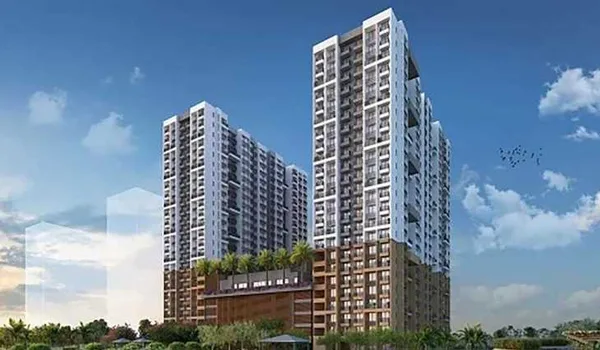
Godrej Sarjapur is a pre-launch, forest-themed township by Godrej Properties at Sarjapura, off Sarjapur-Attibele Road. As a khata example, a new-apartment buyer usually sees the khata created and transferred around registration and possession, once the project and unit are recorded - here possession is targeted for December 2030. Its Karnataka RERA registration is in process and expected at the official launch, so verify the live number and confirm the khata jurisdiction with the developer before committing.
- Builder: Godrej Properties Limited
- Location: Sarjapura, ~30 acres, 85-90% open space
- RERA: K-RERA in process - verify the number at launch
- Configuration: 2, 3 & 4 BHK
- Ticket size: ~Rs 1.45 crore (base rate ~Rs 13,500/sq ft)
- Status: Pre-launch, official launch targeted December 2026, possession targeted December 2030
Bottom line: a pre-launch buy where the khata is set up around registration and possession - compare the floor plans and price list before you decide.
2. Prestige City
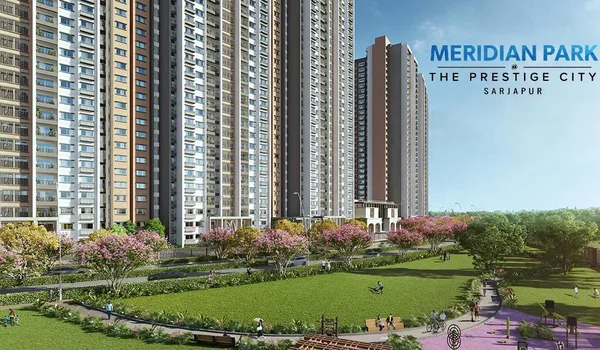
Prestige City is a township-scale gated community by Prestige Group on Sarjapur Road, with 1, 2 and 3 BHK homes across multiple enclaves. As a khata example, a resale unit here means transferring the existing khata from the seller to you after the sale deed is registered, while a fresh unit follows the developer's khata process. Verify the seller's khata and the latest tax receipt for a resale before you register.
- Builder: Prestige Group
- Location: Sarjapur Road
- RERA: RERA-registered - verify the number for your tower
- Configuration: 1, 2 & 3 BHK
- Ticket size: ~Rs 90 lakh
- Status: Under construction
Bottom line: a large project where a resale buyer transfers the seller's khata after registration, so check the seller's khata and tax receipts up front.
3. Birla Evara
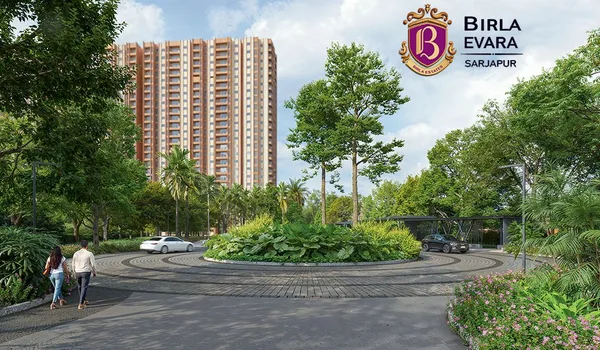
Birla Evara is a newer gated project by Birla Estates on Sarjapur Road, with 2 and 3 BHK homes and a longer possession runway. As a khata example, an under-construction home's khata is generally created and transferred nearer to registration and handover, so it is not a day-one step - confirm how the developer will handle it. Check the registration number and the possession timeline before you decide.
- Builder: Birla Estates
- Location: Sarjapur Road
- RERA: RERA-registered - verify the current number
- Configuration: 2 & 3 BHK
- Ticket size: On Request
- Status: Under construction (possession ~2032)
Bottom line: an under-construction home where the khata is arranged closer to handover, so ask the developer how and when it will be transferred.
4. Sobha Royal Pavilion
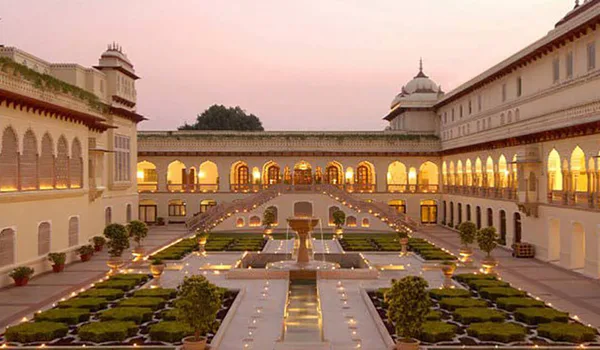
Sobha Royal Pavilion is a gated community by Sobha Limited on Sarjapur Road, with 3 and 4 BHK homes built to Sobha's in-house construction standard. As a khata example, a ready or resale unit is where a khata transfer is most immediate - once your sale deed is registered, you move the existing khata into your name. Confirm the current inventory and the RERA number for your phase.
- Builder: Sobha Limited
- Location: Sarjapur Road
- RERA: RERA-registered - verify the number for your phase
- Configuration: 3 & 4 BHK
- Ticket size: On Request
- Status: Under construction / ready phases
Bottom line: a ready or resale unit is where the khata transfer follows straight after registration, so line up the documents before you close.
How to Use the Khata Transfer in Your Purchase
Fit the khata transfer into your wider closing checklist rather than leaving it to the last minute. For a resale or completed home, verify the seller's existing khata and the latest tax receipt during due diligence, register the sale deed, then apply to transfer the khata into your name on the correct local-body portal. For a pre-launch or under-construction home such as the Godrej Properties township at Sarjapura, ask the developer how and when the khata will be created, and confirm the Anekal-taluk jurisdiction. Read the khata alongside the sale deed and an encumbrance certificate, since the khata alone is not proof of title. For corridor background, read the Sarjapur Road property guide and the project location and connectivity on this site, and note that Sarjapura anchors the southern end of this corridor. For any high-value purchase, have a property lawyer review the khata and the full document set.
Bottom line: verify the seller's khata, register the sale deed, apply on the right portal and confirm the jurisdiction - and read the khata with the title documents rather than on its own.
Frequently Asked Questions
1. What is a khata and why must it be transferred?
A khata is the local body's record that identifies a property and its owner for property-tax purposes. When you buy a home the khata must be transferred into your name so the record shows you as the owner, which matters for paying tax, applying for utilities and for a future resale.
2. What is the difference between e-Khata and e-Aasthi?
Both are names for the digitised property records that Karnataka's local bodies now maintain, so the khata is issued and updated online rather than only on paper. The exact portal and label depend on which local body your property falls under, so confirm the correct system for your jurisdiction.
3. Which documents do I need for a khata transfer?
You generally need the registered sale deed, the previous owner's khata, the latest property-tax paid receipt, and an encumbrance certificate, along with identity proof. The exact list depends on your local body, so confirm the current requirements before you apply.
4. Does Sarjapura fall under BBMP for khata?
Sarjapura sits in the Anekal-taluk jurisdiction rather than core BBMP, so the local body that maintains the khata may differ from a central Bengaluru address. Confirm the exact jurisdiction and the correct portal for your property before applying.
5. Do I need to transfer khata for an under-construction flat?
For a new apartment the khata is usually created and transferred to your name around registration and possession, once the project and unit are recorded. For a resale flat you transfer the existing khata from the seller to yourself after the sale deed is registered.
6. Is a clear khata enough to prove ownership?
No. A khata is a tax and identification record, not a title document, so it supports ownership but does not by itself prove a clear title. Read it alongside the registered sale deed, the title chain and an encumbrance certificate, and get a lawyer to review anything unclear.
Conclusion
Transferring the khata is the step that records you as the owner in the local body's books after you buy on Sarjapur Road. With e-Khata and e-Aasthi the record is now digital, which makes it easier to issue and verify - but the process still turns on getting the documents right and applying to the correct body. Register the sale deed, gather the old khata, the latest tax receipt and an encumbrance certificate, and apply on the portal your jurisdiction uses. The point to remember here is jurisdiction: because Sarjapura falls under the Anekal-taluk area, confirm the exact local body before you start. Do that, whether you are buying a resale flat or the pre-launch Godrej Properties township at Sarjapura, read the khata alongside your title documents, and check the current process and prices with the developer or your lawyer before you commit.
Godrej Sarjapur Blog
 Sarjapur Road — Real Estate Guide 2026
 Top 10 Residential Apartment Projects in Sarjapur Road 2026
 RERA Approved Pre Launch Projects in Sarjapur Road 2026
 Ready to Move Apartments in Sarjapur Road 2026
 New Launch Apartment Projects in Sarjapur Road 2026
 Sarjapur Road Property Price Trends 2026
 3 BHK Apartments for Sale in Sarjapur Road 2026
 Is Sarjapur Road a Good Place to Invest in 2026?
 Godrej Properties Projects in Sarjapur Road 2026
 Best Gated Community Apartments in Sarjapur Road 2026
 Resale Apartments in Sarjapur Road 2026
 Top Builders & Developers in Sarjapur Road 2026
 Sarjapur Road vs Whitefield 2026 — Which to Buy?
 2 BHK Apartments for Sale in Sarjapur Road 2026
 Apartments Near Wipro & ORR Tech Park 2026
 Affordable Apartments in Sarjapur Road 2026
 4 BHK Apartments for Sale in Sarjapur Road 2026
 Villa & Plotted Projects in Sarjapur Road 2026
 Under Construction Apartments in Sarjapur Road 2026
 Sarjapur Road vs Electronic City 2026 — Which to Buy?
 Sarjapur Road vs HSR Layout 2026 — Which to Buy?
 Apartments Near Electronic City from Sarjapur Road 2026
 Apartments Near Top Schools on Sarjapur Road 2026
 Godrej Upcoming & Pre-Launch Projects in Sarjapur Road 2026
 Pet & Senior Friendly Gated Communities in Sarjapur Road 2026
 1 BHK Apartments for Sale in Sarjapur Road 2026
 Sarjapur Road vs Bellandur 2026 — Which to Buy?
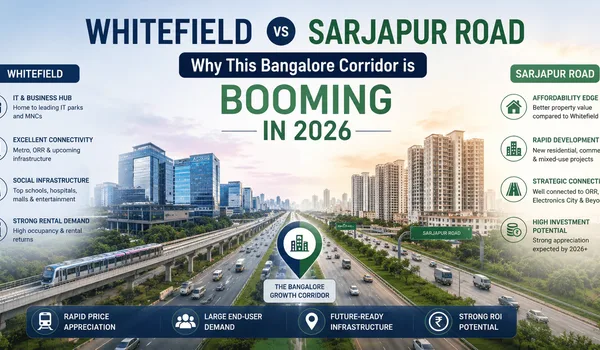 Sarjapur Road vs Marathahalli 2026 — Which to Buy?
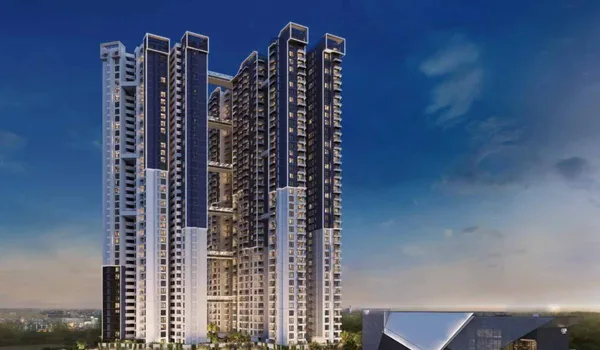 Apartments Near the Upcoming Sarjapur Metro 2026
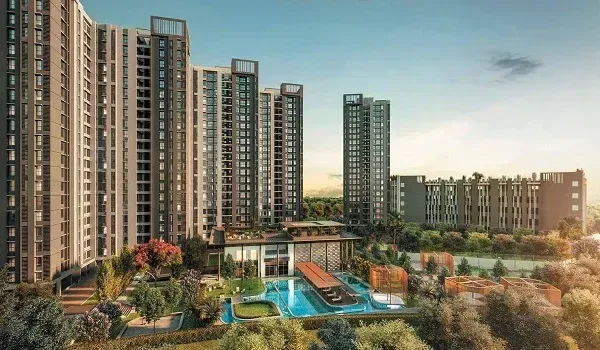 Godrej Completed & Ready-to-Move Projects in Sarjapur Road 2026
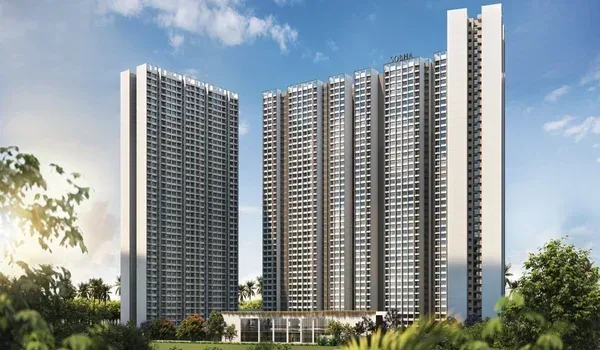 Apartments Near Top Hospitals on Sarjapur Road 2026
 Sarjapur Road vs Varthur 2026 — Which to Buy?
 Apartments with Clubhouse & Modern Amenities in Sarjapur Road 2026
 Vastu-Compliant Apartments in Sarjapur Road 2026
 NRI Guide to Buying Apartments in Sarjapur Road 2026
 Sarjapur Road vs Kanakapura Road 2026 — Which to Buy?
 High-Rise vs Low-Rise Apartments in Sarjapur Road 2026
 Home Loan & Buying-Process Guide for Sarjapur Road 2026
 Apartments Near Decathlon & Sarjapur Main Road 2026
 Sarjapur Road vs Hennur Road 2026 — Which to Buy?
 Sarjapur Road Connectivity & Infrastructure Guide 2026
 Stamp Duty & Registration Charges Guide 2026
 Property Tax & Khata Guide 2026
 How to Verify a Project on K-RERA 2026
 Carpet Area vs Super Built-Up Area Guide 2026
 Occupancy & Completion Certificate (OC/CC) Guide 2026
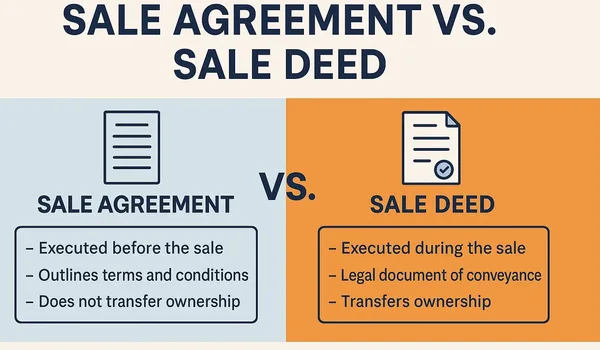 Sale Agreement vs Sale Deed - Buyer's Guide 2026
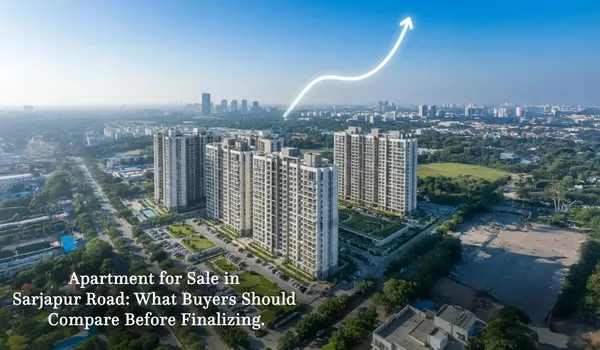 Best Time to Buy an Apartment in Sarjapur Road 2026
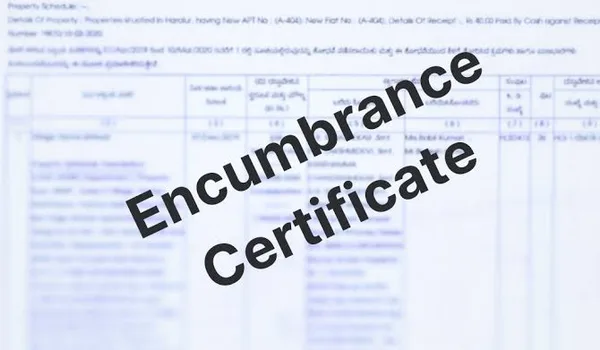 Encumbrance Certificate (EC) Guide 2026
 GST on Property Guide 2026
 Possession & Handover Checklist 2026
 Home Loan Tax Benefits Guide 2026
 Power of Attorney & Property Documents Guide 2026