Encumbrance Certificate (EC) Guide for Sarjapur Road 2026
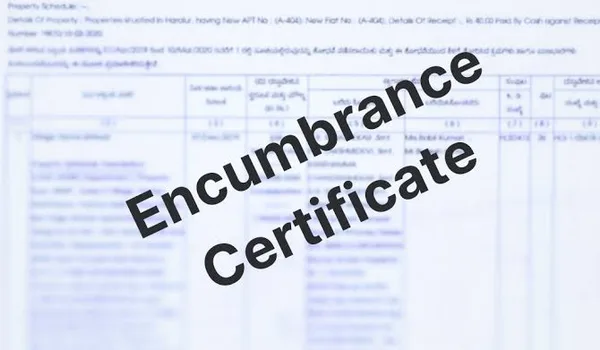
An Encumbrance Certificate, or EC, is one of the most important documents a buyer checks before purchasing an apartment on Sarjapur Road. It is an official record from the Karnataka Department of Stamps and Registration that lists the transactions - sales, mortgages, gifts and releases - registered against a property over a chosen period. In plain terms, it tells you whether the flat you are about to buy carries any registered loan or charge, and whether the seller's ownership trail is clean. This guide explains what an EC shows, how to pull one for a Sarjapura-jurisdiction property through Kaveri Online Services, how to read it, and how it fits into buying a home such as the pre-launch Godrej Sarjapur township or a resale unit in an established corridor project.
One thing to keep in mind: an EC only reflects documents that were registered with the sub-registrar. Unregistered agreements, oral arrangements, tax dues or pending litigation may not appear on it, so an EC is a strong first check rather than a complete title guarantee. Fees, turnaround times and the exact online workflow can change, so confirm the current process on Kaveri Online Services and, for a high-value purchase, have a property lawyer review the certificate.
What an Encumbrance Certificate Shows
An EC is a search of the sub-registrar's records for a property over a period you choose. It captures what has been formally registered against that property, which is exactly what a buyer or a lender wants to see.
- Registered sales and transfers: the chain of ownership changes recorded for the property.
- Registered mortgages and charges: whether the property is pledged against a loan that must be cleared.
- Gifts, releases and partitions: other registered dealings that affect ownership.
- The searched period: only transactions within the years you request - anything before or after that window is not covered.
Bottom line: an EC is a record of registered dealings on a property, so it is your first evidence of a clean ownership trail and of whether any registered loan still sits against the home.
Why Buyers on Sarjapur Road Ask for an EC
Sarjapur Road has a mix of pre-launch, under-construction, ready and resale homes, and the EC matters most as a property moves toward registration and resale. Buyers and lenders use it to reduce risk before money changes hands.
- Confirm a clear title trail: check that the seller is in the ownership chain and that no unexpected transfer sits in between.
- Check for a live mortgage: make sure any earlier home loan on the property has been closed and released.
- Satisfy your lender: most banks ask for an EC before they sanction a loan against the property.
- Support your due diligence: pair the EC with the sale deed, khata, tax receipts and approvals for a fuller picture.
Bottom line: buyers ask for an EC to confirm the title trail and rule out a live registered loan, and lenders usually require it, so it is a standard step for a resale or completed home.
Form 15 vs Form 16
An EC in Karnataka comes in two forms, and knowing which one you are holding matters. The form issued depends purely on what the records show for your searched period.
- Form 15: issued when there are registered encumbrances in the period - it lists each registered transaction found.
- Form 16: a nil-encumbrance certificate, issued when no registered transactions are found for the period searched.
| Item | Appears on an EC? | Note |
|---|---|---|
| Registered sale or transfer | Yes | Forms the ownership chain for the searched period. |
| Registered mortgage / charge | Yes | Confirm any earlier loan has been closed and released. |
| Registered gift, release or partition | Yes | Other registered dealings that affect ownership. |
| Unregistered agreement | No | Only registered documents are captured - ask the seller separately. |
| Pending litigation | Not necessarily | Court disputes may not show on an EC - check separately. |
| Property tax dues | No | Verify tax receipts and khata with the local body separately. |
Bottom line: a Form 16 (nil-encumbrance) is the clean result buyers hope for, a Form 15 lists what is registered - and either way, remember the EC only covers registered dealings, not everything about a property.
How to Apply for an EC on Kaveri Online Services
For most Karnataka properties you can now pull an EC online rather than visiting the office in person. The broad workflow on Kaveri Online Services is as follows, though the exact screens and fees can change, so follow the current instructions on the portal.
- Register and log in: create an account on the portal with your mobile number and email.
- Choose the EC service: select the encumbrance-certificate option and the correct sub-registrar office - a Sarjapura-area property falls under the Anekal-taluk jurisdiction.
- Enter property details: provide the property identifiers and the period you want the search to cover.
- Pay the fee and submit: pay the applicable fee online and submit the request.
- Download the certificate: collect the digitally issued EC once the search is complete, and keep a copy for your lender and lawyer.
Bottom line: registering on Kaveri Online Services, selecting the Anekal-taluk sub-registrar and the period, paying the fee and downloading the result is the usual path - confirm the live steps and fee on the portal, as they change.
How to Read Your EC
Once you have the certificate, read it carefully rather than just noting Form 15 or Form 16. A few checks catch most problems.
- Match the property: confirm the identifiers on the EC match the flat you are buying.
- Trace the chain: follow the registered transfers to confirm the seller is the current owner.
- Look for open charges: check whether any mortgage is shown as still outstanding rather than released.
- Check the period: make sure the search covers a long enough span for your comfort and your lender's requirement.
- Escalate anything unclear: take any gap, unfamiliar entry or open charge to a property lawyer before you proceed.
Bottom line: reading the EC means matching the property, tracing the ownership chain, confirming charges are released and checking the period - and referring anything unclear to a lawyer before you commit.
1. Godrej Sarjapur

Godrej Sarjapur is a pre-launch, forest-themed township by Godrej Properties at Sarjapura, off Sarjapur-Attibele Road. As a title example, a pre-launch home is bought first on a registered agreement, with the sale deed and a fresh EC becoming central closer to possession - so an early buyer tracks the Karnataka RERA status now and the encumbrance position nearer to registration. Its RERA registration is in process and expected at the official launch, so verify the live number before committing.
- Builder: Godrej Properties Limited
- Location: Sarjapura, ~30 acres, 85-90% open space
- RERA: K-RERA in process - verify the number at launch
- Configuration: 2, 3 & 4 BHK
- Ticket size: ~Rs 1.45 crore (base rate ~Rs 13,500/sq ft)
- Status: Pre-launch, official launch targeted December 2026, possession targeted December 2030
Bottom line: a pre-launch buy where the RERA number leads now and the EC matters at registration - compare the floor plans and price list before you decide.
2. Prestige City
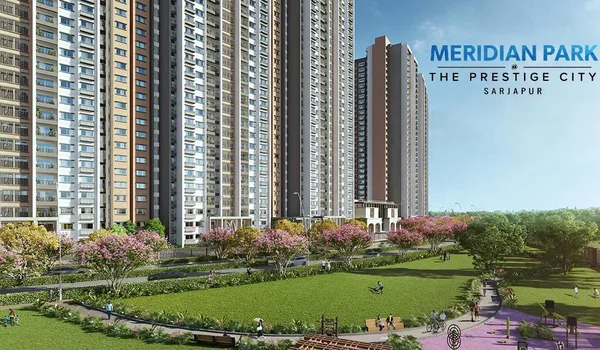
Prestige City is a township-scale gated community by Prestige Group on Sarjapur Road, with 1, 2 and 3 BHK homes across multiple enclaves. As a title example, for a resale or completed unit here an EC covering the last several years lets you trace the ownership chain and confirm no registered mortgage remains before you buy. Verify the live RERA number for your tower and pull a fresh EC on the specific unit.
- Builder: Prestige Group
- Location: Sarjapur Road
- RERA: RERA-registered - verify the number for your tower
- Configuration: 1, 2 & 3 BHK
- Ticket size: ~Rs 90 lakh
- Status: Under construction
Bottom line: a large project where a resale buyer should pull a unit-level EC to trace ownership and clear any old charge before registering.
3. Birla Evara
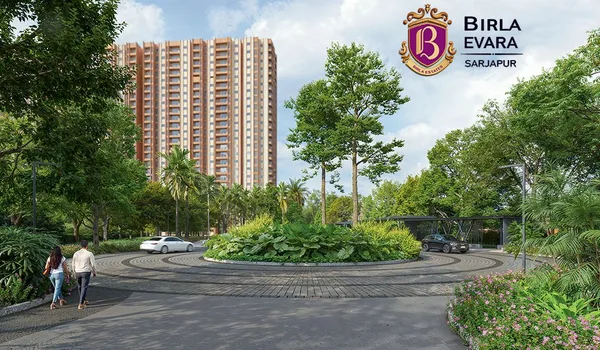
Birla Evara is a newer gated project by Birla Estates on Sarjapur Road, with 2 and 3 BHK homes and a longer possession runway. As a title example, an under-construction home's checks centre on the developer's approvals and the registered agreement now, with a nil-encumbrance EC on your specific unit becoming relevant at registration. Confirm the registration number and the possession timeline before you decide.
- Builder: Birla Estates
- Location: Sarjapur Road
- RERA: RERA-registered - verify the current number
- Configuration: 2 & 3 BHK
- Ticket size: On Request
- Status: Under construction (possession ~2032)
Bottom line: an under-construction home where approvals and the registered agreement lead now, and a unit-level EC becomes relevant nearer to registration.
4. Sobha Royal Pavilion

Sobha Royal Pavilion is a gated community by Sobha Limited on Sarjapur Road, with 3 and 4 BHK homes built to Sobha's in-house construction standard. As a title example, a ready or resale unit here is where an EC matters most - pull one for the unit and confirm the seller's title is clear of any registered charge before you register. Confirm the current inventory and the RERA number for your phase.
- Builder: Sobha Limited
- Location: Sarjapur Road
- RERA: RERA-registered - verify the number for your phase
- Configuration: 3 & 4 BHK
- Ticket size: On Request
- Status: Under construction / ready phases
Bottom line: a ready or resale unit is where a nil-encumbrance EC does its most useful work - pull it before you register.
How to Use the EC in Your Purchase
Fit the EC into your wider due diligence rather than treating it as the whole check. For a resale or completed home, pull an EC covering a long-enough period, confirm it matches the property and shows no open charge, and read it alongside the sale deed, khata, latest tax receipts and the project approvals. For a pre-launch or under-construction home such as the Godrej Properties township at Sarjapura, the EC becomes central closer to registration, so focus first on the RERA status and the registered agreement. For corridor background, read the Sarjapur Road property guide and the project location and connectivity on this site, and note that Sarjapura anchors the southern end of this corridor. For any high-value purchase, have a property lawyer review the EC and the full document set.
Bottom line: use the EC as one part of a full document review - strongest for resale and ready homes, secondary to RERA and the registered agreement for pre-launch - and get a lawyer to review anything unclear.
Frequently Asked Questions
1. What is an Encumbrance Certificate?
An Encumbrance Certificate is an official record from the Karnataka Department of Stamps and Registration listing the transactions registered against a property, such as sales and mortgages, over a chosen period. Buyers use it to check that a property has no registered loan or charge and that its ownership trail is clean.
2. How do I get an EC for a Sarjapur Road property?
You can apply online through Kaveri Online Services by registering, selecting the property's sub-registrar office and the period you want, and paying the applicable fee. A Sarjapura-area property falls under the Anekal-taluk jurisdiction, so confirm the correct sub-registrar office when you apply.
3. What is the difference between Form 15 and Form 16?
Form 15 is issued when there are registered encumbrances during the searched period and lists each of them, while Form 16, a nil-encumbrance certificate, is issued when no registered transactions are found for that period. Which one you receive depends on the property's records.
4. How many years should the EC cover?
Buyers commonly ask for an EC covering the last several years, and often longer for older properties or when tracing a full ownership chain. Your lawyer or bank may specify a period, so confirm the span they need before you apply.
5. Does a clear EC guarantee a safe title?
No. An EC only reflects documents registered with the sub-registrar, so unregistered agreements, pending litigation or tax dues may not appear. Treat a clear EC as a strong first check and pair it with a full legal title review.
6. Is an EC needed for a home loan?
Most lenders ask for an EC as part of the property documents when they process a home loan, since it helps them confirm there is no existing registered charge. Check your lender's exact document list, as requirements vary between banks.
Conclusion
An Encumbrance Certificate is one of the simplest, cheapest checks a buyer can run on Sarjapur Road, and one of the most reassuring. It tells you what has been registered against a property - the ownership chain and any live charge - so you can spot a problem before you pay. Pull it from Kaveri Online Services for the correct Anekal-taluk sub-registrar, choose a long-enough period, and read it to confirm the property matches, the seller is in the chain and no mortgage sits open. Remember its limits: it captures only registered dealings, so pair it with the sale deed, khata, tax receipts, RERA status and a lawyer's review. Do that, whether you are buying a resale flat or the pre-launch Godrej Properties township at Sarjapura, and you close with a clear view of the title.
Godrej Sarjapur Blog
 Sarjapur Road — Real Estate Guide 2026
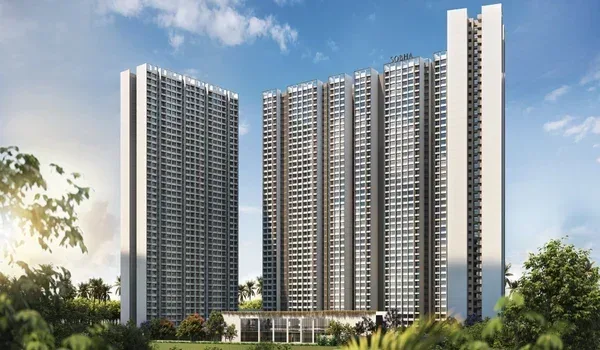 Top 10 Residential Apartment Projects in Sarjapur Road 2026
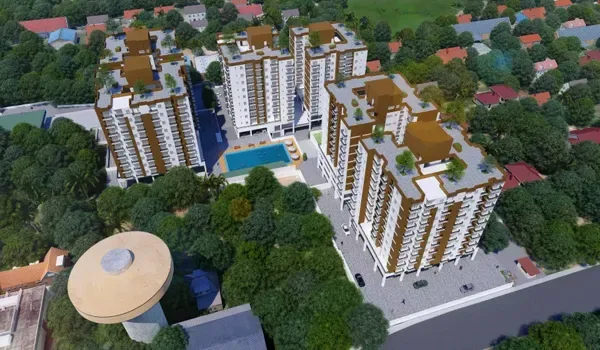 RERA Approved Pre Launch Projects in Sarjapur Road 2026
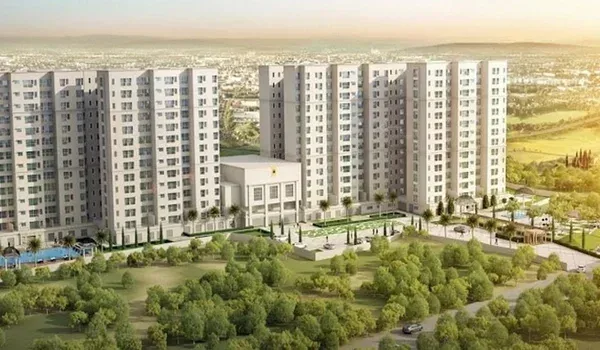 Ready to Move Apartments in Sarjapur Road 2026
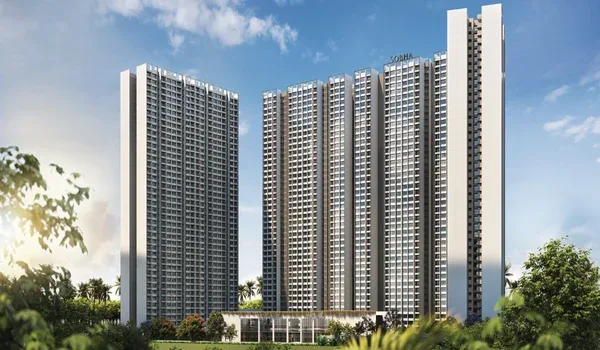 New Launch Apartment Projects in Sarjapur Road 2026
 Sarjapur Road Property Price Trends 2026
 3 BHK Apartments for Sale in Sarjapur Road 2026
 Is Sarjapur Road a Good Place to Invest in 2026?
 Godrej Properties Projects in Sarjapur Road 2026
 Best Gated Community Apartments in Sarjapur Road 2026
 Resale Apartments in Sarjapur Road 2026
 Top Builders & Developers in Sarjapur Road 2026
 Sarjapur Road vs Whitefield 2026 — Which to Buy?
 2 BHK Apartments for Sale in Sarjapur Road 2026
 Apartments Near Wipro & ORR Tech Park 2026
 Affordable Apartments in Sarjapur Road 2026
 4 BHK Apartments for Sale in Sarjapur Road 2026
 Villa & Plotted Projects in Sarjapur Road 2026
 Under Construction Apartments in Sarjapur Road 2026
 Sarjapur Road vs Electronic City 2026 — Which to Buy?
 Sarjapur Road vs HSR Layout 2026 — Which to Buy?
 Apartments Near Electronic City from Sarjapur Road 2026
 Apartments Near Top Schools on Sarjapur Road 2026
 Godrej Upcoming & Pre-Launch Projects in Sarjapur Road 2026
 Pet & Senior Friendly Gated Communities in Sarjapur Road 2026
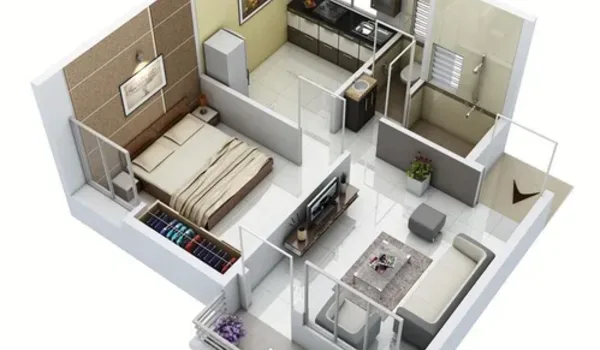 1 BHK Apartments for Sale in Sarjapur Road 2026
 Sarjapur Road vs Bellandur 2026 — Which to Buy?
 Sarjapur Road vs Marathahalli 2026 — Which to Buy?
 Apartments Near the Upcoming Sarjapur Metro 2026
 Godrej Completed & Ready-to-Move Projects in Sarjapur Road 2026
 Apartments Near Top Hospitals on Sarjapur Road 2026
 Sarjapur Road vs Varthur 2026 — Which to Buy?
 Apartments with Clubhouse & Modern Amenities in Sarjapur Road 2026
 Vastu-Compliant Apartments in Sarjapur Road 2026
 NRI Guide to Buying Apartments in Sarjapur Road 2026
 Sarjapur Road vs Kanakapura Road 2026 — Which to Buy?
 High-Rise vs Low-Rise Apartments in Sarjapur Road 2026
 Home Loan & Buying-Process Guide for Sarjapur Road 2026
 Apartments Near Decathlon & Sarjapur Main Road 2026
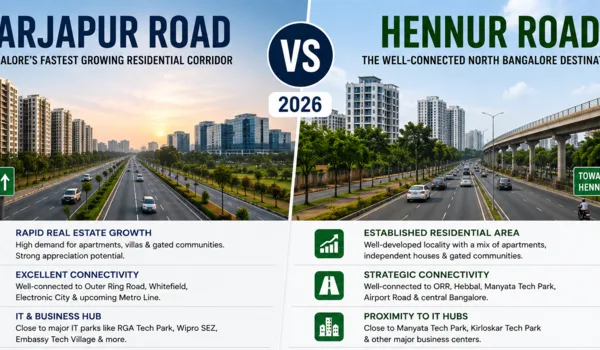 Sarjapur Road vs Hennur Road 2026 — Which to Buy?
 Sarjapur Road Connectivity & Infrastructure Guide 2026
 Stamp Duty & Registration Charges Guide 2026
 Property Tax & Khata Guide 2026
 How to Verify a Project on K-RERA 2026
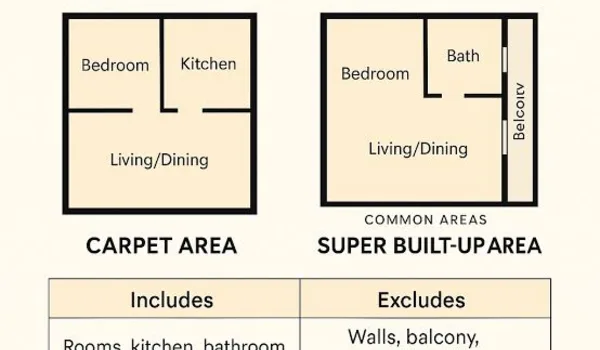 Carpet Area vs Super Built-Up Area Guide 2026
 Occupancy & Completion Certificate (OC/CC) Guide 2026
 Sale Agreement vs Sale Deed - Buyer's Guide 2026
 Best Time to Buy an Apartment in Sarjapur Road 2026
 GST on Property Guide 2026
 Possession & Handover Checklist 2026